St. Petersburg in the era of Alexander II (1855-1881)
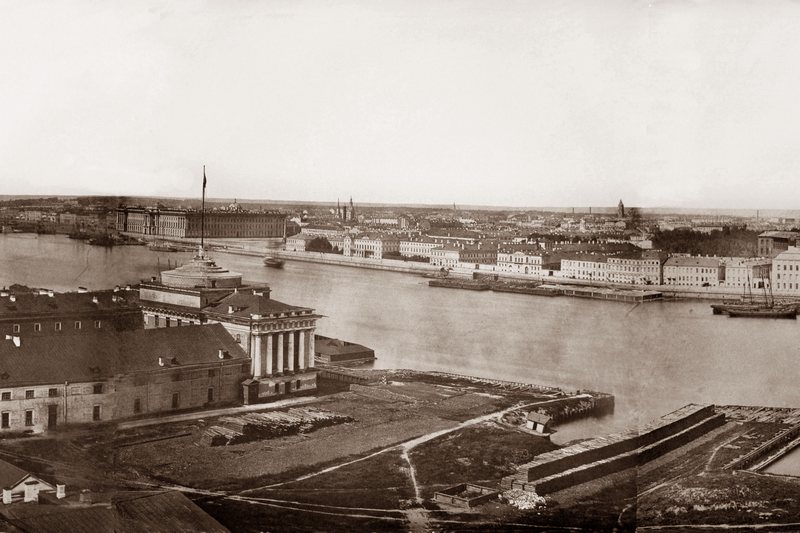
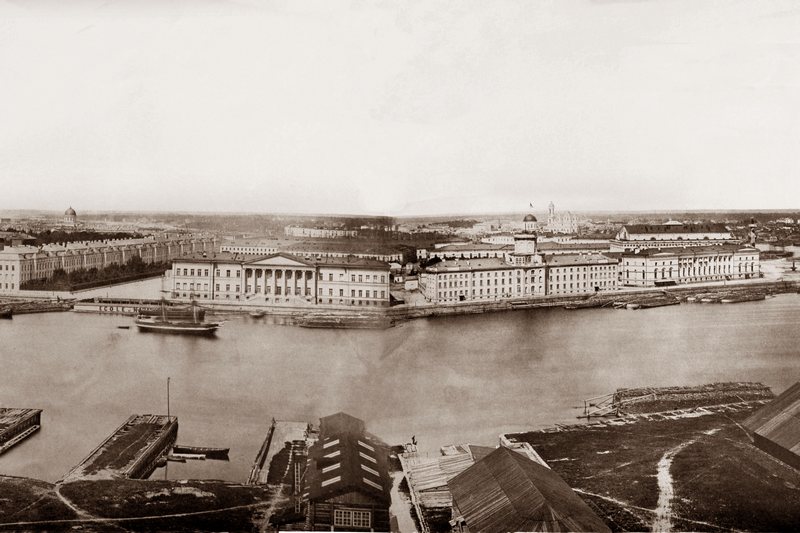
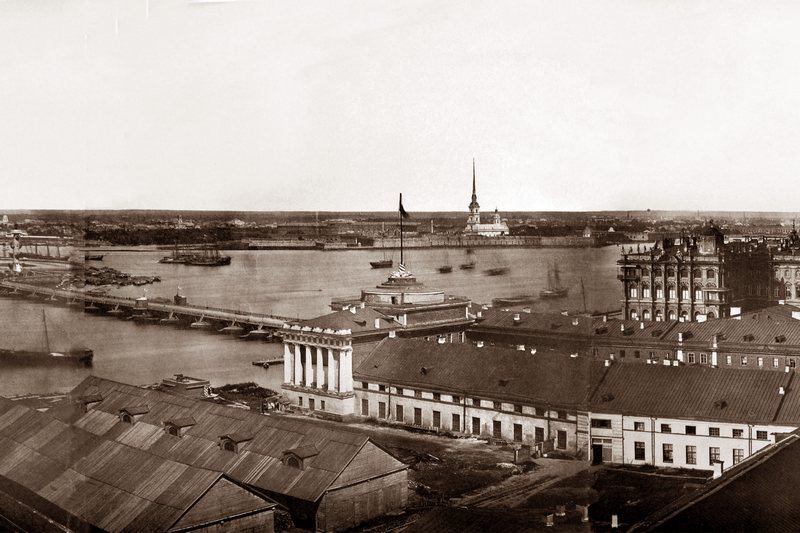
With the accession of Alexander II to the throne and the beginning of his reforms enormous changes took place, both in the country at large and in the capital city of St. Petersburg. The most significant political change was that in 1870, according to City Regulation, an elected body of self-government was re-established, the City Council (Gorodskaya Duma), which had been abolished under Paul I. However, now the Council was elected not on the basis of Estates, but with high property qualifications for voters in order to limit their number (in other words, only the very wealthy were allowed to vote). The chairman of the City Council was also the head of its permanent executive body, the City Administrative Board.
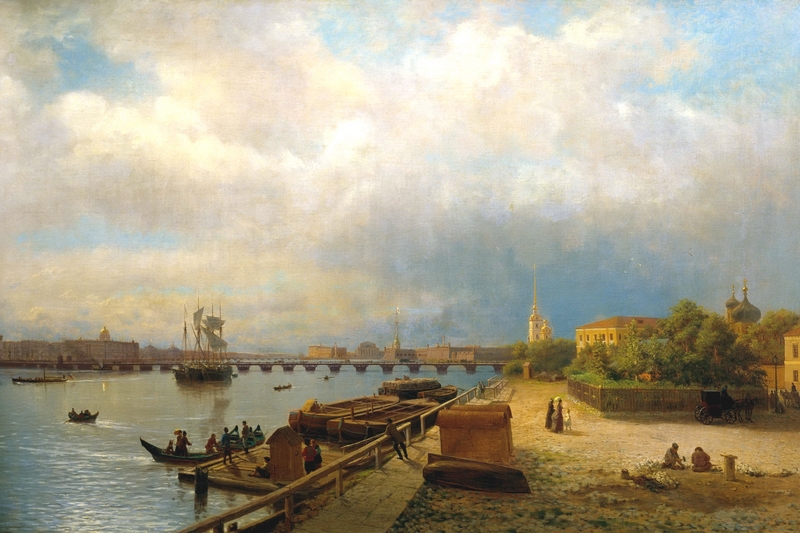
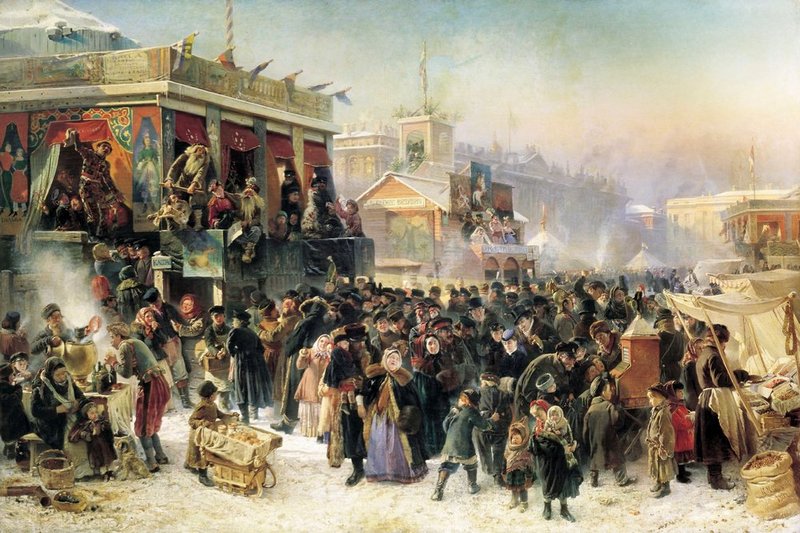
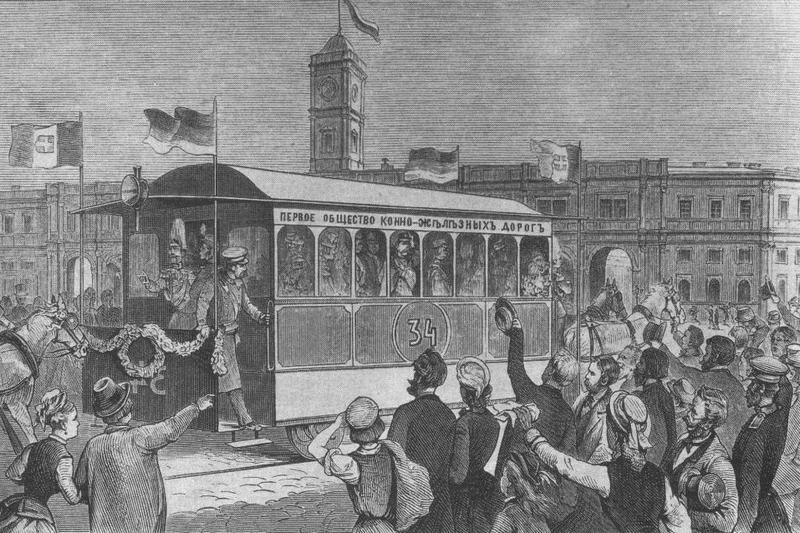
Significant changes in Petersburg's urban economy occurred during Alexander II's reign. A Central Water Treatment Plant was constructed and a modern, centralized water system installed. Experimentation began on the electrification of the city and in 1879, the newly built Liteiny Bridge spanning the Neva was illuminated with electric lamps (later, at the beginning of the twentieth century, from 1903 to 1918, the bridge was named in honor of Alexander II). The city developed an effective system of public transport: horse-driven trams ran on tracks that were laid in the major streets.
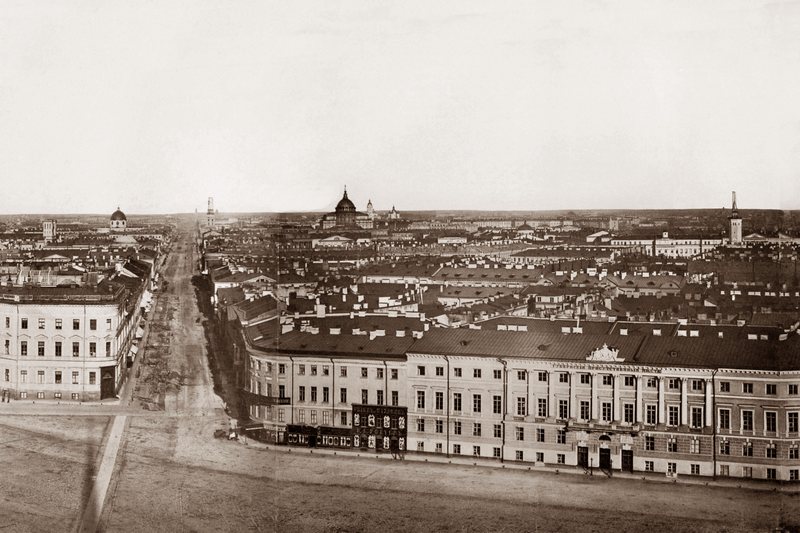
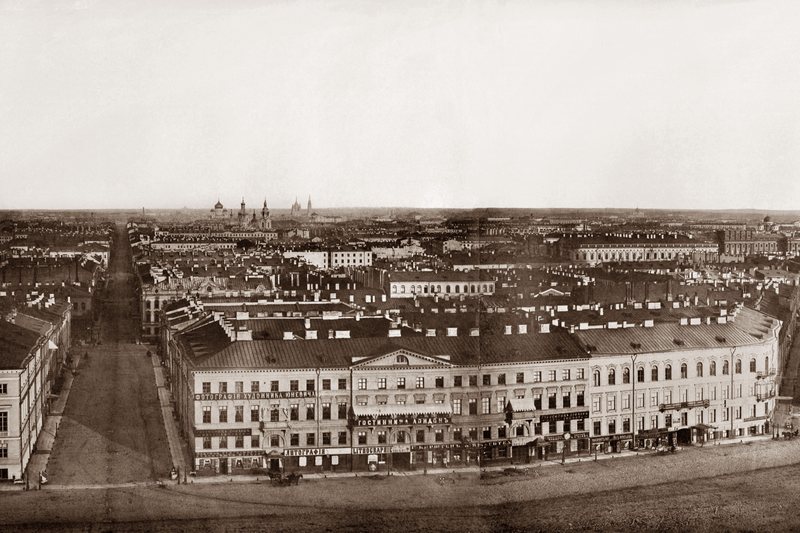
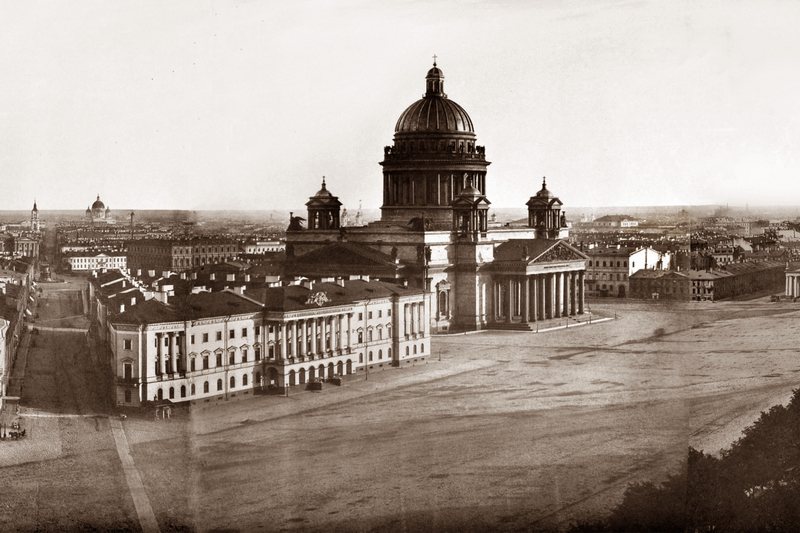
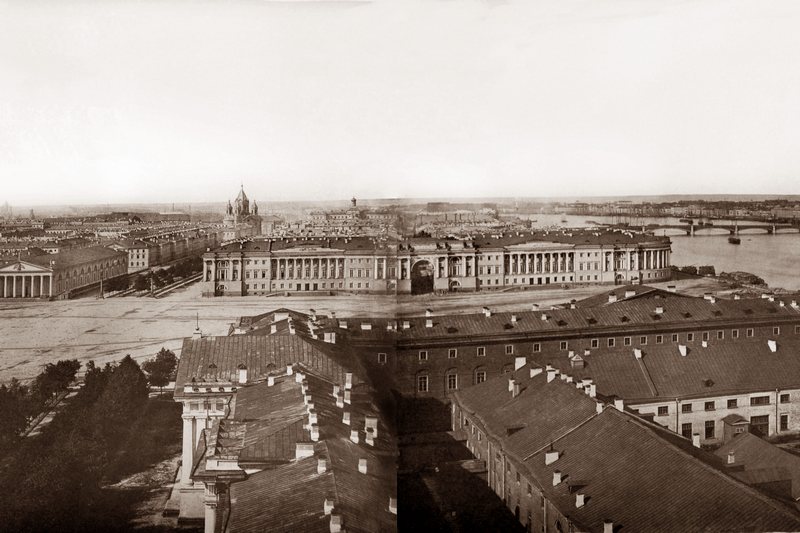
Numerous construction projects were undertaken all across the city, especially to the east and south of the Fontanka River. Under Alexander II, the massive landmark St. Isaac's Cathedral was finally finished and ceremonially consecrated in 1858, after some forty years of construction, in the presence of the Emperor himself. The new Mariinsky Theatre, designed by the architect Albert Cavos and boasting the largest stage in the world at the time, opened with a performance of Mikhail Glinka's A Life for the Tsar in 1860. Other outstanding structures from this time period are the Kushelev-Bezborodko Mansion (the Small Marble Palace) on Ulitsa Gagarina, the splendid Circus Ciniselli on the Fontanka River - and spectacular monuments to Catherine the Great and Nicholas I. On Palace Embankment, the Emperor's son, Grand Duke Vladimir Alexandrovich, had a magnificent palace built (today known as the House of Scientists). In 1879, Liteiny Bridge, the second bridge spanning the Neva, was opened, connecting the city center to the industrial districts on the Vyborg Side.
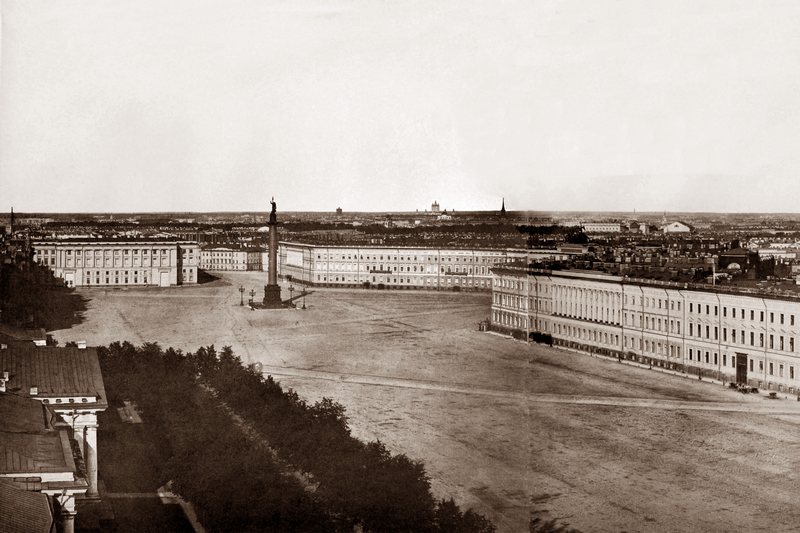
The memory of Alexander II is honored in a copy of a sculpture by Mikhail Antokolsky which stands in the courtyard of the building that formerly housed the General Staff Academy at 32, Suvorovskiy Prospekt. A small bust of Alexander is located on Ulitsa Lomonsova, near the local offices of the Russian Central Bank. A memorial plaque was placed in the room in the Winter Palace where shortly after the attack by members of the People's Will terrorist organization, Alexander breathed his last. And on the site of the assassination itself, at the initiative of his son, Alexander III, the iconic Memorial Church of the Resurrection of Christ (also known as the Church of Our Saviour on Spilled Blood) was erected near the Catherine Canal (now the Griboedov Canal).